I am learning flutter from JustAcademy, They provide very much great environment where people gather and work simultaneously. totally project based training institute.
MOHD ABU BAKAR ANSARI
Flutter Developer
Awesome Experience. I am a Front-end Web Designer working at Star India for 3 years now. I applied for Full-stack development and my experience has been phenomenal & they really do help with placements exceptionally. Thank you Roshan sir so much.
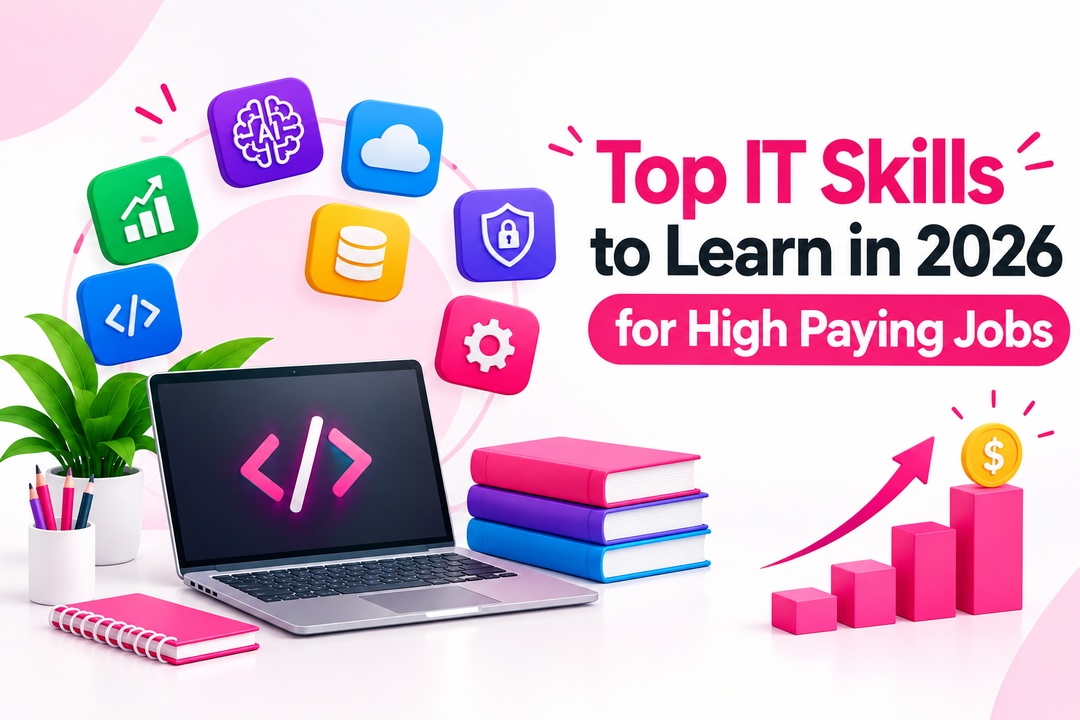
From artificial intelligence to full stack development, here is what actually moves the needle on your resume this year
Every year around this time, somebody asks the same question in a different way: what should I actually learn to stay relevant. In 2026, that question carries a bit more weight than usual, because the gap between people who have real, demonstrable technical knowledge and people who have a stack of half finished tutorials has never been wider. Recruiters aren't impressed by buzzwords anymore. They want to see that you can build something, fix something, or automate something on day one, and they can usually tell within the first five minutes of an interview whether that's true or not.
This blog is a practical walk through the ten IT skills that are genuinely worth your time this year, along with the programming languages, tools, and certifications that go with them. Whether you're a college student trying to figure out what to specialise in, a working professional planning a switch, or someone exploring it jobs that don't require coding, there's something here for you. And if you'd rather see how any of these skills are actually taught before reading further, you can register for a free demo class and get a firsthand look at the training style.
Why IT Skills Matter More in 2026 Than Ever Before
The IT hiring landscape has quietly reorganised itself over the last couple of years. Companies aren't just hiring "developers" anymore, they're hiring people who can move between roles, adapt to new tools quickly, and understand how AI fits into their workflow. That shift has made a specific set of it skills far more valuable than a generic computer science degree on its own. A degree tells an employer you sat through four years of coursework. A demonstrated skill tells them you can actually contribute from week one, and that difference shows up directly in salary negotiations and interview call backs.
The Skills Gap Is Real, Not a Myth
Job portals are flooded with openings that stay unfilled for months, not because there aren't enough applicants, but because there aren't enough applicants with the right, current skill set. Employers today are looking for candidates who understand cloud computing, can work comfortably with data, and have some exposure to artificial intelligence tools, even outside of a core AI role. This mismatch between what candidates studied years ago and what companies need right now is exactly why continuous upskilling has become a career necessity rather than an optional extra.
Non Coding Roles Are Growing Too
Not everyone wants to write code for a living, and that's completely fine. There's a growing demand for it jobs without coding for freshers and experienced folks alike, in areas like UI UX design, QA and manual testing, data analytics, digital marketing, and IT support. If coding isn't your thing, this doesn't mean IT isn't for you, it just means you pick a different lane within the same highway. Many of these non coding roles pay just as well as development roles once you have a couple of years of solid experience behind you.
The AI Factor Changes Everything
Perhaps the single biggest reason IT skills matter more this year than in previous years is the arrival of generative AI as a genuine workplace tool rather than a novelty. Professionals who know how to use AI to speed up their work, whether that's writing code faster, analysing data quicker, or drafting content more efficiently, are simply more productive than those who don't. Employers have noticed, and that awareness is now baked into how they screen candidates.
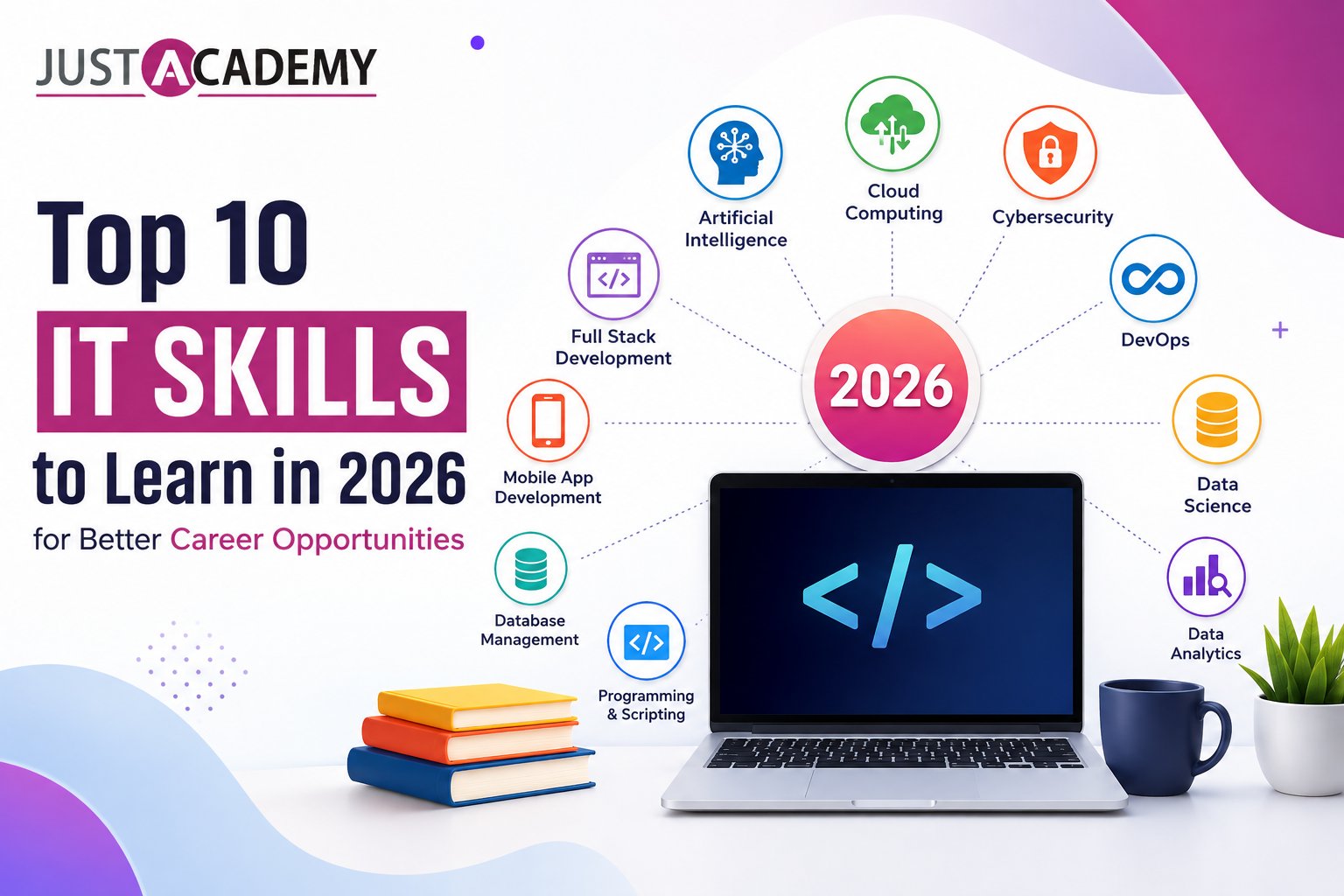
The Top 10 IT Skills to Learn in 2026
Here's the list, based on hiring trends, salary data, and what training institutes like JustAcademy are actually seeing students get placed for.
1. Artificial Intelligence and Machine Learning
Artificial intelligence has moved from an interesting research topic to expected working knowledge faster than almost any skill in IT history. You don't need to build the next large language model, but understanding how machine learning models are trained, how to work with an ai chat interface for productivity, and how to apply AI to real business problems is now a baseline expectation in most tech roles. Companies across banking, retail, healthcare, and logistics are actively building AI powered features into their products, which means the demand for people who understand even the basics of model training, data preparation, and evaluation is only going to keep climbing through this year and beyond.
2. Python Programming
If there's one language that shows up on nearly every list of most in demand programming languages, it's Python. It's used in everything from data science to automation scripts to backend web development. A solid python course will teach you syntax, libraries like pandas and NumPy, and enough foundation to move into machine learning or data analytics later. Python's readability also makes it one of the better basic it skills for beginners who are nervous about coding for the first time, since its syntax reads almost like plain English compared to more verbose languages.
3. Full Stack Web Development
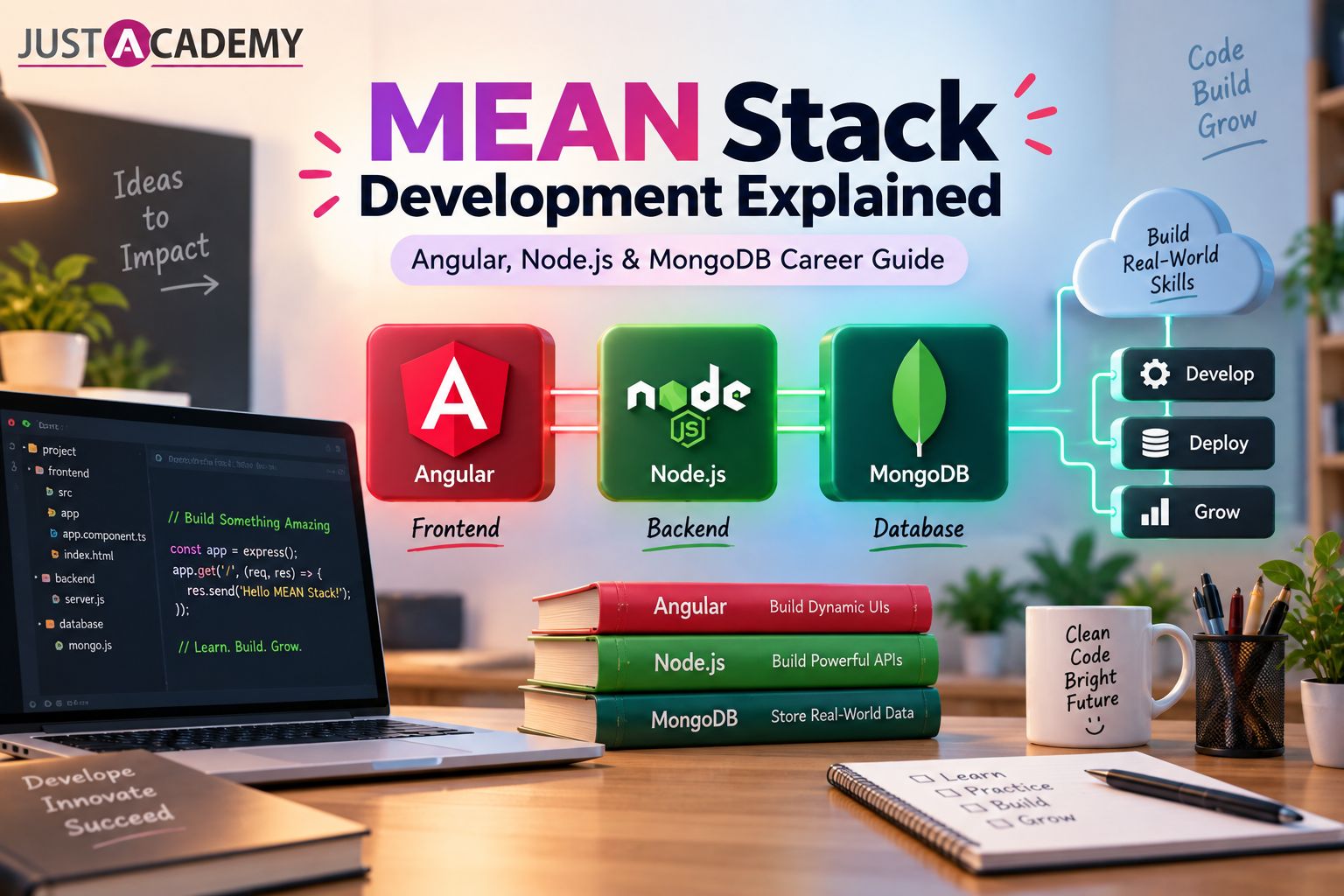
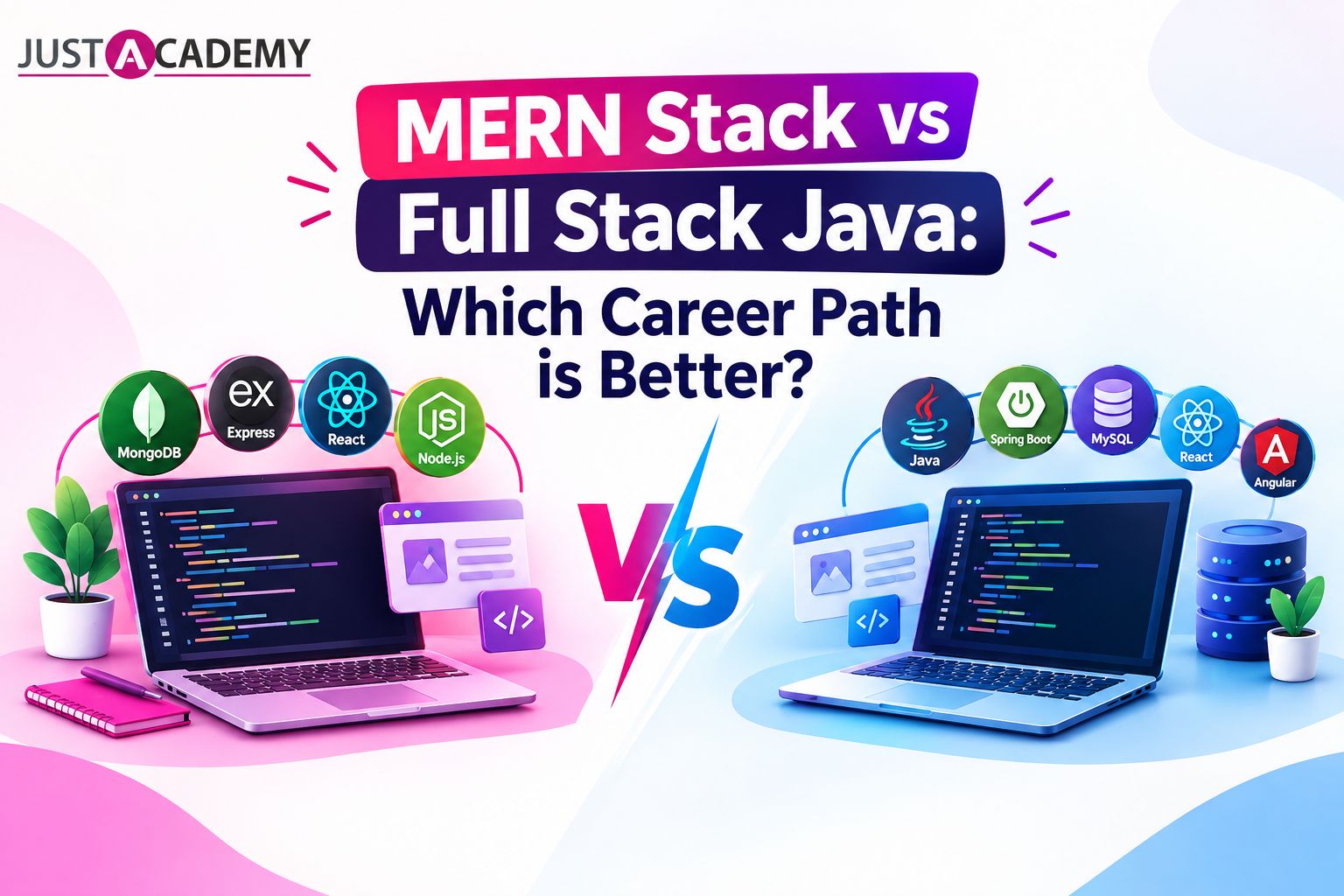
Full stack development remains one of the highest value skills you can build because it makes you employable across industries, not just tech companies. Every business with a website or app needs someone who understands both the frontend and the backend. If you're serious about this path, a structured full stack Java developer bootcamp is a solid way to combine Java, Spring Boot, and modern frontend frameworks into one job ready skill set, and the same logic applies if you'd rather go the JavaScript route with a MERN stack developer bootcamp built around MongoDB, Express, React, and Node.js. Either path gives you the ability to take a project from database design all the way through to a working, deployed application, which is exactly what most hiring managers want to see on a fresher resume.
4. Cloud Computing
Cloud computing is no longer optional infrastructure knowledge, it's a core it work skill across almost every job description you'll come across. Platforms like AWS, Azure, and Google Cloud power everything from small startups to massive enterprises, and understanding how to deploy, scale, and secure applications in the cloud makes your resume noticeably stronger. Even roles that aren't traditionally considered cloud jobs, such as QA or data analytics, increasingly expect at least a working familiarity with cloud based environments, since so much of modern software development now happens there by default.
5. Data Analytics and Data Science
Data analytics and data science continue to be some of the highest paying it skills you can develop, mostly because companies are drowning in data but starving for people who can interpret it. If you're weighing up whether this path is worth it, our detailed breakdown on whether data analytics is a good career in 2026 covers salary expectations and real job opportunities in Mumbai in a lot more depth than we can fit here. The beauty of this field is that it rewards curiosity as much as coding ability, so it tends to attract people from varied academic backgrounds who simply enjoy asking better questions of a dataset.
6. Mobile App Development
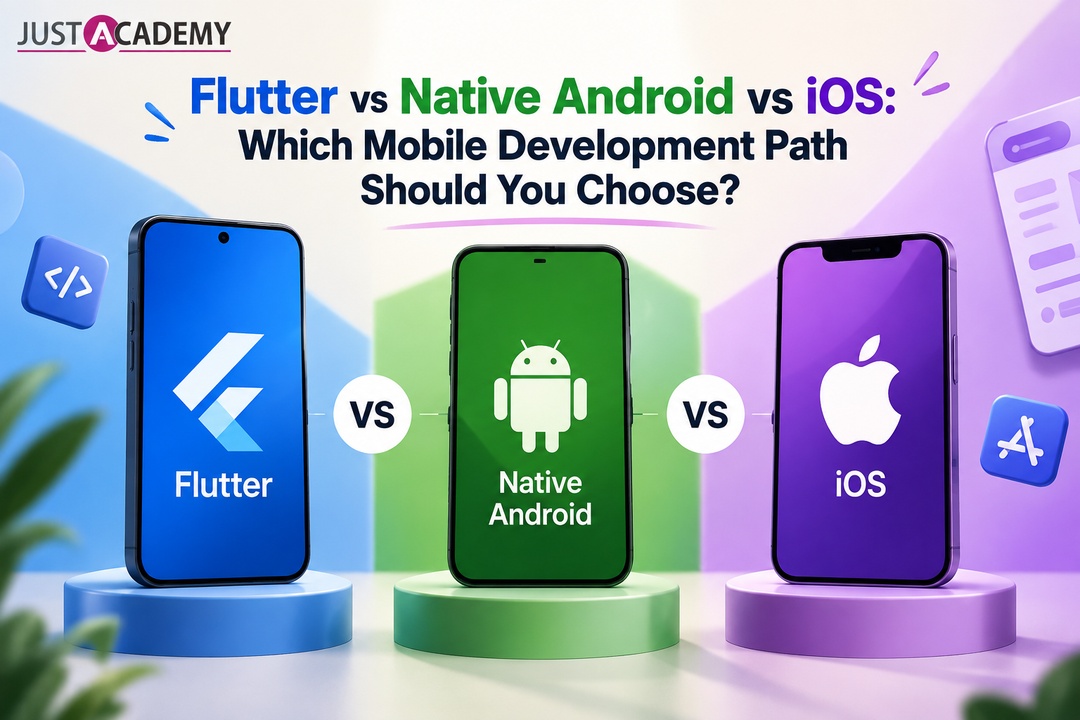
With smartphones outnumbering desktops in most markets, mobile app development remains a consistently strong career bet. Flutter has become one of the more efficient ways to build cross platform apps from a single codebase, and if you're curious about it, our Flutter training programme walks through Dart fundamentals, widgets, and real project builds. If you'd rather stick closer to the JavaScript ecosystem, React Native training is worth exploring too, since it lets React developers pivot into mobile without learning an entirely new language from scratch. Both options are far more efficient than the older approach of maintaining two separate native codebases for Android and iOS.
7. UI UX Design
Good design isn't decoration, it's the difference between a product people enjoy using and one they abandon after five minutes. UI UX design has grown into a genuinely lucrative, non coding friendly career path, and Figma has more or less become the industry standard tool for it. Our Figma training course covers wireframing, prototyping, and design systems from the ground up, and if you want a head start on building something to actually show recruiters, take a look at our guide on building a professional UI UX portfolio using Figma. A strong portfolio matters more in this field than almost any certificate, and starting one early gives you a genuine edge over other candidates.
8. Automation Testing with Selenium
Manual testing still has its place, but automation testing skills, particularly with Selenium, are what separate a QA tester from a QA engineer in terms of both role and paycheck. Selenium lets you write scripts that test web applications automatically, saving companies enormous amounts of time and catching bugs before they reach production. Our Selenium training course is built for exactly this transition, and if you want a fuller roadmap of what QA hiring looks like this year, our piece on the Selenium automation testing roadmap for 2026 lays out the skills QA recruiters are actually screening for.
9. Prompt Engineering and Generative AI
Generative AI tools have changed how a lot of everyday work gets done, and knowing how to get useful, accurate output from them is becoming its own specialised skill. A prompt engineering course teaches you how to structure instructions for large language models effectively, which is increasingly relevant whether you're in content, development, marketing, or customer support. This skill also pairs well with almost anything else on this list, since a developer who prompts well simply moves faster than one who doesn't, and the same holds true for designers, analysts, and testers.
10. Cybersecurity and Blockchain Fundamentals
Rounding out the list, a basic understanding of cybersecurity principles and blockchain concepts is becoming valuable even outside dedicated security roles. As more businesses move critical operations online, understanding how systems get compromised, and how blockchain enables secure, decentralised transactions, adds real weight to an IT resume, even in a generalist role. You don't need to become a penetration tester or a blockchain developer to benefit here, even a working understanding of common vulnerabilities, secure coding practices, and how decentralised systems work will set you apart in interviews where security awareness is increasingly part of the evaluation criteria.
Most In Demand Programming Languages for 2026
Skills are one half of the equation, but the languages you use to apply them matter just as much when recruiters are scanning your resume.
Python Continues to Lead the Pack
Among the most in demand programming languages this year, Python still sits comfortably at the top. It's the default choice for machine learning, data science, automation, and even backend web development, and its gentle learning curve makes it a favourite starting point for people building coding skills from zero. Its massive ecosystem of libraries also means that whatever problem you're trying to solve, chances are somebody has already built a tool for it that you can plug straight into your project.
JavaScript, Node.js, and the Web Ecosystem
JavaScript isn't going anywhere either, and if anything, its footprint has grown with Node.js allowing developers to use it for backend work too. Combined with frameworks like React and Angular, JavaScript remains essential for anyone pursuing full stack development or web development bootcamp style training. Languages like C++ and Kotlin still hold their ground in specific niches, C++ in performance heavy systems and game development, Kotlin in native Android app development, so they're worth knowing depending on which direction you're headed. SQL deserves a mention here too, since almost every data driven role, regardless of the primary language you use, expects you to be comfortable querying and manipulating databases.
IT Skills for Beginners vs What Advanced Professionals Need
There's a real difference between the basic it skills for beginners and what's expected once you're a few years into your career, and it helps to know where you actually stand before choosing your next learning goal.
Starting Point: Computer Literacy and Foundational Skills
Before jumping into a specific technology, basic computer literacy in resume terms, things like operating systems, using a linux laptop comfortably, working with SQL server management studio, or knowing your way around GitHub download and version control, form the groundwork almost everyone in IT needs regardless of specialisation. Skipping these fundamentals to jump straight into an advanced framework is one of the most common mistakes new learners make, and it usually shows up later as gaps that are harder to fill retroactively.
Advanced Track: Specialisation and Certification
Once the fundamentals are solid, advanced professionals typically pick a specialisation, whether that's cloud architecture, machine learning engineering, or senior full stack roles, and back it up with it certifications online that validate the depth of their expertise to employers. At this stage, the goal shifts from breadth to depth, since employers hiring for senior positions are looking for someone who can own a problem end to end rather than someone who has a surface level familiarity with ten different tools.
The Middle Ground Most People Forget
There's also an often overlooked middle stage between beginner and advanced, where you already know one core skill reasonably well but haven't yet built the confidence or portfolio to prove it. This is usually the stage where structured, project based training helps the most, since it forces you to apply what you've learned to something concrete rather than continuing to consume tutorials indefinitely.
Building an IT Resume That Actually Gets Shortlisted
Learning the skill is one part of the job, presenting it correctly on paper is the other, and a surprising number of qualified candidates lose opportunities simply because their resume doesn't communicate what they actually know.
Key Skills for IT Resume Sections
When listing key skills for it resume purposes, be specific rather than generic. Instead of writing "programming," list the actual languages and frameworks, along with tools like SQL, Git, or cloud platforms you've genuinely worked with. Recruiters skim resumes in seconds, so specificity is what catches their eye, and vague phrases like "good with computers" or "quick learner" rarely add any real value on their own.
Balancing Technical and Non IT Skills
Don't underestimate the value of non it skills either, communication, problem solving, and the ability to explain technical concepts to non technical stakeholders often decide who gets the offer between two similarly skilled candidates. Interviewers frequently use behavioural questions specifically to test these softer skills, so it's worth preparing examples from real projects where you had to explain, negotiate, or collaborate your way through a challenge.
Showcasing Projects Over Certificates
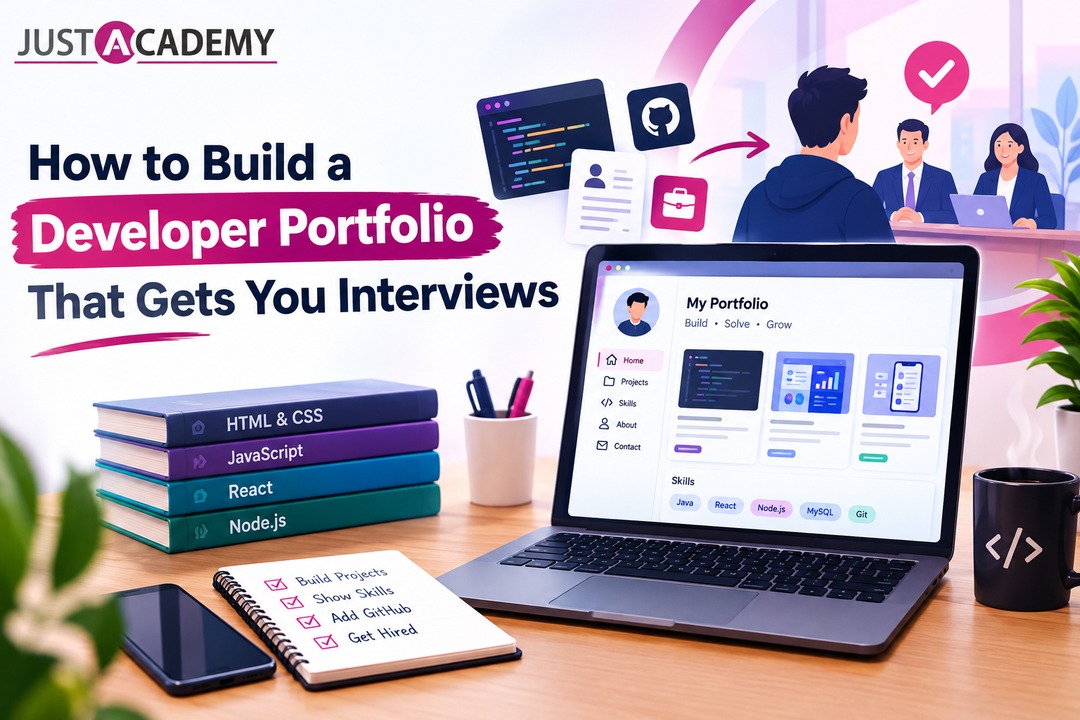
A resume with three well documented, working projects almost always beats one with ten certificates and nothing built. Wherever possible, link to a GitHub repository, a live deployed app, or a design portfolio rather than just listing a course name. It gives recruiters something concrete to evaluate instead of taking your word for it.
Comparing the Top IT Skills at a Glance
Skill
Coding Required
Typical Learning Time
Career Entry Difficulty
Artificial Intelligence & ML
Yes
4 to 6 months
Moderate to High
Python Programming
Yes
2 to 3 months
Beginner Friendly
Full Stack Development
Yes
5 to 7 months
Moderate
Cloud Computing
Minimal
3 to 4 months
Moderate
Data Analytics
Minimal
3 to 4 months
Beginner Friendly
Mobile App Development
Yes
4 to 5 months
Moderate
UI UX Design
No
2 to 3 months
Beginner Friendly
Automation Testing (Selenium)
Yes
2 to 3 months
Beginner Friendly
Prompt Engineering
No
1 to 2 months
Beginner Friendly
Cybersecurity Fundamentals
Minimal
3 to 4 months
Moderate
This table is a general guide rather than a strict rulebook, since actual timelines depend heavily on the depth of training you go through and how much time you can dedicate each week. Someone attending live interactive sessions daily will naturally progress faster than someone squeezing in an hour of self study every other weekend.
Where to Start If You're Just Getting Into IT
If you're brand new to the field, it's tempting to try and learn everything at once, but that usually backfires. It's more productive to pick one or two skills from this list based on your interests, whether that's the visual, creative side of UI UX design, the logical, structured world of full stack development, or the analytical pull of data analytics, and go deep rather than wide to start with.
If You Enjoy Logical Problem Solving
If puzzles and structured logic appeal to you, python or a broader software development path through full stack training tends to be a natural fit, since both reward patience and systematic thinking. These paths also tend to have the clearest learning progression, which makes it easier to track your own improvement over time.
If You Enjoy Visual and Creative Work
If you're someone who notices bad spacing on a webpage before you notice anything else, UI UX design through a proper ui ux course, or exploring digital skills more broadly, might suit you far better than a purely code heavy path. Design also has the advantage of being one of the more approachable entry points into tech for people coming from non technical academic backgrounds.
If You're Not Sure Yet
If none of this feels like an obvious choice yet, that's completely normal, and it's actually one of the best reasons to try a demo session before committing months of your time to any one direction. A short, guided introduction often reveals which subject clicks for you far faster than reading about it ever could.
Why Structured Training Makes a Real Difference
There's a reason self taught learners often plateau at a certain point, and it isn't a lack of intelligence or effort. It's the absence of structure, feedback, and accountability. Learning from scattered videos and articles can get you basic understanding, but it rarely prepares you for the kind of project based, interview ready competence that employers actually screen for.
This is where structured, live interactive sessions make a genuine difference. JustAcademy runs its programmes through live interactive training rather than pre recorded content, which means you're learning alongside a real instructor who can answer questions, correct mistakes in real time, and walk you through practical, industry relevant projects rather than toy examples. As an ISO certified training institute with classroom branches in Mumbai and Pune, alongside live online courses available globally, JustAcademy has built its reputation on being the best course in mumbai for anyone who wants their learning grounded in real placement outcomes rather than just certificates.
Every course, whether it's a focused skill like Selenium or a broader full stack Python developer bootcamp covering Django and React, comes with placement support built into the programme, not tacked on as an afterthought. That combination of structured curriculum, live interactive sessions, and dedicated placement assistance is exactly why so many learners choose guided training over trying to piece everything together on their own. It also tends to be faster, since a good instructor can help you avoid the weeks of confusion that usually come from debugging alone with no one to ask.
Final Thoughts
The IT industry in 2026 rewards people who are specific about what they know rather than vaguely familiar with everything. Pick a skill from this list that genuinely interests you, whether that's diving into artificial intelligence, mastering one of the most in demand programming languages, or building a career around UI UX design or automation testing, and commit to learning it properly rather than superficially. The demand across cloud computing, data science, mobile app development, and full stack roles isn't slowing down anytime soon, and the earlier you build real, demonstrable technical knowledge in one of these areas, the sooner you'll see it reflected in the opportunities that come your way.
Momentum matters more than perfection here. You don't need to master every skill on this list before you start applying for roles, you need one or two done well enough to prove you can deliver, and a resume that communicates that clearly. Everything else, the certifications, the additional languages, the specialisations, can be layered on afterward once you have that first solid foundation and, ideally, your first bit of real world experience to back it up.
If you're ready to turn this list into an actual plan, JustAcademy can help you get there with live interactive sessions, real project work, and placement support at every step. Register for a free demo class to experience the teaching style firsthand, or download our brochure to explore the complete course catalogue and figure out which path fits you best .
Why IT Skills Matter More in 2026 Than Ever Before
A practical comparison for Pune based learners choosing between MERN and Java full stack development, covering salary, learning curve, job roles, and long term career growth.