I am learning flutter from JustAcademy, They provide very much great environment where people gather and work simultaneously. totally project based training institute.
MOHD ABU BAKAR ANSARI
Flutter Developer
Awesome Experience. I am a Front-end Web Designer working at Star India for 3 years now. I applied for Full-stack development and my experience has been phenomenal & they really do help with placements exceptionally. Thank you Roshan sir so much.
What Delhi learners and working developers can realistically earn at every stage, and the skills, stack choices and mentor led training that move the number
Ask ten people in Delhi what a full stack developer earns and you will hear ten confident answers, and most of them will be off by a few lakhs in one direction or the other. A cousin in Gurugram swears that freshers walk in at ten lakhs. A friend in Noida says three lakhs is the honest figure. Both are telling the truth about their own offer letter, and that is exactly the problem. The full stack developer salary you can expect depends on your skills, your stack, your city, the kind of company hiring you and, more than anything, how well you can prove what you know. This guide walks through every stage, from the first job to the senior chair, in plain language, with Delhi NCR kept firmly in view.
If you are still deciding whether to learn this skill set properly, the Full Stack Developer Pro bootcamp in Delhi is built around the kind of work that actually gets people hired, and you can sit through a real class before committing to anything by booking a free live demo session. JustAcademy runs its classroom campus in Mumbai, so learners in Delhi join through live interactive, instructor led and mentor led online sessions, and the experience is designed so that distance does not cost you attention or feedback.
A quick word on how to read the numbers ahead. Salary figures in this guide are indicative ranges drawn from how the Indian hiring market has generally behaved, not promises. They shift with funding cycles, with demand for particular technologies and with the individual in the interview room. Treat them as a map of the terrain rather than a price tag, and always cross check against live job postings and offers from people in your own network before you negotiate.
What Companies Are Really Paying For When They Say Full Stack
The Job Hiding Behind The Title
Full stack programming sounds like a single skill, but inside a real office it is a bundle of them. A full stack web developer builds the part users see in the browser, writes the server logic that handles each request, designs the database that remembers everything and frequently helps push the finished product onto a live server. On Monday you might fix a layout bug in React. On Tuesday you write an API endpoint. By Thursday you are chasing down why a query crawls once ten thousand people log in together. That spread is why companies value the profile so much. One person who understands the whole journey of a click, from button to database and back, saves a team days of handoffs and misunderstandings.
Titles wander all over the place too. Job boards use full stack engineer, full stack software developer, full stack software engineer, web stack developer, developer web full stack and plain stack developer, often for nearly identical work. Do not get hypnotised by the label. Read the responsibilities, look at the technologies listed and ask what the team actually expects you to ship in your first ninety days. That tells you far more about the pay band than the words printed above the job description.
Why The Full Stack Developer Salary Is Never One Number
Four things move your pay more than anything else. The first is company type: a product startup, an enterprise services firm, a global capability centre and a small digital agency all budget differently for the same skills. The second is stack depth. Someone who can wire up a basic form is not paid like someone who can design a secure authentication flow and deploy it with monitoring. The third is evidence. Recruiters pay for proof, which means deployed projects, readable repositories and the ability to explain your decisions out loud. The fourth is communication. Developers who can explain a trade off to a non technical manager get promoted faster, and promotions are where the big salary jumps live.
When people search for full stack salary or full stack engineer salary, they are usually hoping for a clean average. Averages hide the real story, which is the spread between the bottom and the top of the market. In India that spread is wide enough that two developers with the same years of experience can differ by a factor of three. Your job is to understand what sits behind that gap so you land on the right side of it.
How Delhi NCR Shapes The Pay Conversation
Delhi NCR is one of the busiest tech hiring regions in the country, with Gurugram, Noida and Delhi proper each carrying a different flavour. Gurugram leans toward consulting, fintech, product companies and global offices. Noida has a deep pool of software services, edtech and media technology firms. Delhi itself has a lively startup scene along with government linked digital projects. Salaries here tend to track cost of living and the competitive pressure between employers, which has historically kept offers healthy for people with practical skills.
There is another factor that Delhi learners should not ignore: remote and hybrid roles. A developer sitting in Dwarka or Laxmi Nagar can now apply to teams in Bengaluru, Pune, Singapore or Berlin without relocating. That widens the market and nudges local employers to stay competitive. If you have ever typed full stack developer near me into a search bar, remember that the nearest good opportunity might be a video call away rather than a metro ride away.
Your First Offer Letter: What Freshers Can Realistically Expect
Entry Full Stack Developer Salary And What Pushes It Up
For most freshers in India, an entry full stack developer salary lands somewhere between three and six lakhs per annum. Candidates with strong projects, clear fundamentals and confident interviews often cross that line, reaching six to ten lakhs at product focused companies and well funded startups. Large services firms sometimes begin lower but offer stability, structured onboarding and a wide range of projects. Anyone searching for full stack developer salary entry level should understand that the first offer is a starting point, not a verdict on your career. Plenty of developers double their pay within two or three years by switching at the right moment with the right skills.
What pushes a fresher offer higher is surprisingly consistent. Deployed applications rather than screenshots. A GitHub profile where the commit history shows steady learning. Comfort with one language deep enough to talk about its quirks. Basic knowledge of databases, version control and API design. And the ability to say, calmly, I do not know that yet, but here is how I would find out. Interviewers pay more for that last quality than most beginners expect.
If you are starting from absolute zero and want a gentle on ramp before any of this, the full stack developer tutorial for beginners on the JustAcademy blog explains the basics without assuming you already know the jargon.
Full Stack Junior Developer Jobs In Delhi NCR: Where They Actually Hide
Searches for full stack junior developer jobs and junior full stack developer jobs return a flood of listings, but only some are genuinely entry friendly. Real junior openings tend to cluster in a few places. Product startups hiring their second or third engineering batch. Software service companies running regular campus and off campus drives. Digital agencies that build websites and web applications for clients. And internal tech teams at larger businesses that want to grow talent rather than buy it. A junior full stack developer is rarely expected to design a system alone, but is expected to pick up tickets, ask good questions and deliver small features reliably.
One practical tip: do not limit yourself to listings that literally say junior full stack. Roles titled software engineer trainee, associate software developer, web developer and application developer frequently involve the same work. Widening your search language can double the number of doors you can knock on, and a fresher who applies to forty relevant roles usually hears back from more places than one who applies to ten perfect ones.
Pay After Placement Full Stack Developer Models: Read The Fine Print
Many learners in Delhi come across the idea of a pay after placement full stack developer program, where fees are deferred until you land a job. The appeal is obvious. It lowers the upfront risk and signals that the training provider believes in its own outcomes. Still, the details matter enormously. Ask what percentage of your future salary is owed, for how many months, whether there is a cap, what happens if you do not get placed and which companies the institute actually works with. A good program answers these questions in writing before you pay a rupee.
The healthiest way to think about it is this: any model, deferred or upfront, is only as good as the training behind it. A job offer follows skill, not the other way round. Look for live practice, honest feedback, real projects and placement support that includes resume work and interview rehearsal. If you want to understand how JustAcademy structures fees and placement support for Delhi learners, the demo session is the right place to ask those questions directly.
The Two to Six Year Stretch Where Salaries Start Moving Fast
Experienced Full Stack Developer Salary At Two, Four And Six Years
This is the phase where pay stops creeping and starts leaping. An experienced full stack developer salary at two to three years of experience typically sits between eight and fourteen lakhs, with strong performers at product companies going beyond that. By four to five years, many developers reach fourteen to twenty lakhs, especially if they own a module or mentor juniors. At six years the range widens dramatically. Some sit comfortably around twenty lakhs in steady roles, while others who changed jobs strategically are earning well above that. The difference is rarely raw talent. It is usually visibility, ownership and timing.
Notice the pattern: money follows responsibility. A developer who closes tickets earns a developer salary. A developer who designs the approach, anticipates problems and unblocks teammates earns something closer to a lead salary before the title even arrives. If you want your pay to move, start behaving like the person who would hold the next title, and make sure the right people notice.
The Skills That Make An Experienced Developer Worth More
At this stage, depth beats breadth. Employers start asking whether you understand performance, security, testing and architecture rather than whether you can merely build a feature. Skills that reliably lift pay include system design basics, database optimisation, writing automated tests, working with cloud services, containers and CI and CD pipelines, and designing clean APIs that other teams can trust. Soft skills climb the list too, such as writing clear technical documents, reviewing code kindly and estimating work honestly.
JavaScript depth deserves a special mention, because so much of modern web work runs on it, from the browser to the server. Developers who go beyond syntax and genuinely understand the event loop, asynchronous patterns and the module system tend to debug faster and design cleaner code. If your foundations feel shaky, a focused JavaScript training in Delhi can tighten them before you aim at bigger roles.
Switching Jobs Versus Staying Put
Candidly, switching companies remains the fastest way to raise pay in the Indian market, and many developers take a ten to forty percent jump when they move with proper preparation. Yet it is not always the smartest play. If your current team gives you real ownership, good mentors and a rising scope of work, staying another year can add more long term value than a lateral move for a small hike. The sensible approach is to review your situation every twelve months. Ask whether you are still learning, whether your responsibilities are growing and whether your pay reflects the market today. If two of those three answers are no, start preparing quietly.
Senior Titles, Big Packages And The Top End Of The Pay Scale
What A Senior Full Stack Developer Is Paid To Do
A senior full stack developer is not simply someone who has been around longer. Companies pay for judgment. A senior full stack engineer chooses between two architectures and explains why. They review a junior colleague's pull request and prevent a security hole before it ships. They talk to product managers and say no, politely, with a better alternative attached. In India, senior full stack web developer roles commonly pay somewhere between eighteen and thirty five lakhs, depending on company, domain and the scale of systems involved.
Terms like senior fullstack engineer and senior full stack developer overlap heavily with staff or lead engineer roles at some companies, so read the scope carefully. A senior role at a five person startup and a senior role at a global product company may carry the same title and very different expectations. Neither is better by default. One offers breadth and ownership, the other offers depth, structure and often a larger paycheck.
Highest Paid Full Stack Developer Profiles
When people ask about the highest paid full stack developer, they are usually picturing packages at top product companies, fintech firms and global technology employers, where total compensation includes base pay, bonuses and stock. Those packages can run from forty lakhs to well beyond sixty lakhs for architects and principal engineers. They are real, but they are not typical, and they almost always come with demanding interviews, serious system design rounds and a long track record of shipping at scale.
The profiles that reach the top share a few habits. They specialise in a domain such as payments, healthcare or logistics where deep context is rare. They write and speak about what they build, which builds reputation. They mentor others, which builds influence. And they never stop learning, which keeps their skills ahead of the market. None of that is magic, and all of it can be started at the fresher stage.
Leadership Track Versus Deep Technical Track
Around the eight to ten year mark, most developers face a fork. One path leads toward engineering management, where your output is the team's output. The other leads toward staff, principal or architect roles, where you remain hands on and solve the hardest technical problems. Both can pay very well. Choose based on what energises you rather than what looks prestigious. A reluctant manager and a bored architect are both easy to spot, and neither earns the highest figures for long.
Does Your Stack Choice Change Your Paycheck
Short answer: yes, but less than people fear and more than people admit. Every full stack developer technologies list looks long, yet hiring tends to cluster around a handful of combinations. Web dev stacks that are in constant demand across India include the JavaScript family built on Node and React, the Java ecosystem with Spring, the Python world with Django or FastAPI and the PHP world with Laravel. The table below gives a rough comparison of how each path usually behaves in the market.
Stack Path
Typical Tools
Common Hiring Pattern
Entry Range (LPA)
Experienced Range (LPA)
JavaScript and MERN
MongoDB, Express, React, Node
Startups, product firms, agencies, remote teams
3.5 to 8
12 to 30
Java Full Stack
Java, Spring Boot, Angular or React, SQL
Banks, enterprises, large service firms
3.5 to 7
12 to 32
Python Full Stack
Python, Django or FastAPI, React, PostgreSQL
Data driven products, analytics teams, startups
3.5 to 7
12 to 30
PHP Full Stack
PHP, Laravel, MySQL, JavaScript
Agencies, ecommerce, small and mid sized businesses
2.5 to 5
8 to 20
These ranges are rough and overlapping on purpose. A brilliant PHP developer at a funded ecommerce company can out earn an average Java developer at a services firm. Treat the table as a starting conversation about direction, not a ranking of worth.
Full Stack Development With MERN And The JavaScript Advantage
Full stack development with MERN has become the most popular on ramp for newcomers, and the reasons are practical. You use one language across the browser and the server, which means less context switching and faster progress. React full stack skills are listed in a huge share of job descriptions. And full stack JavaScript, sometimes written as fullstack javascript, fits startup culture where small teams ship quickly. Add TypeScript and a basic grasp of deployment and you become employable in a very wide range of teams.
For learners who want a structured path with real project work, the MERN Stack Developer course in Delhi follows a live online product development approach, so you build things the way teams actually build them rather than only watching slides.
Java Full Stack Development In Enterprise Delhi NCR
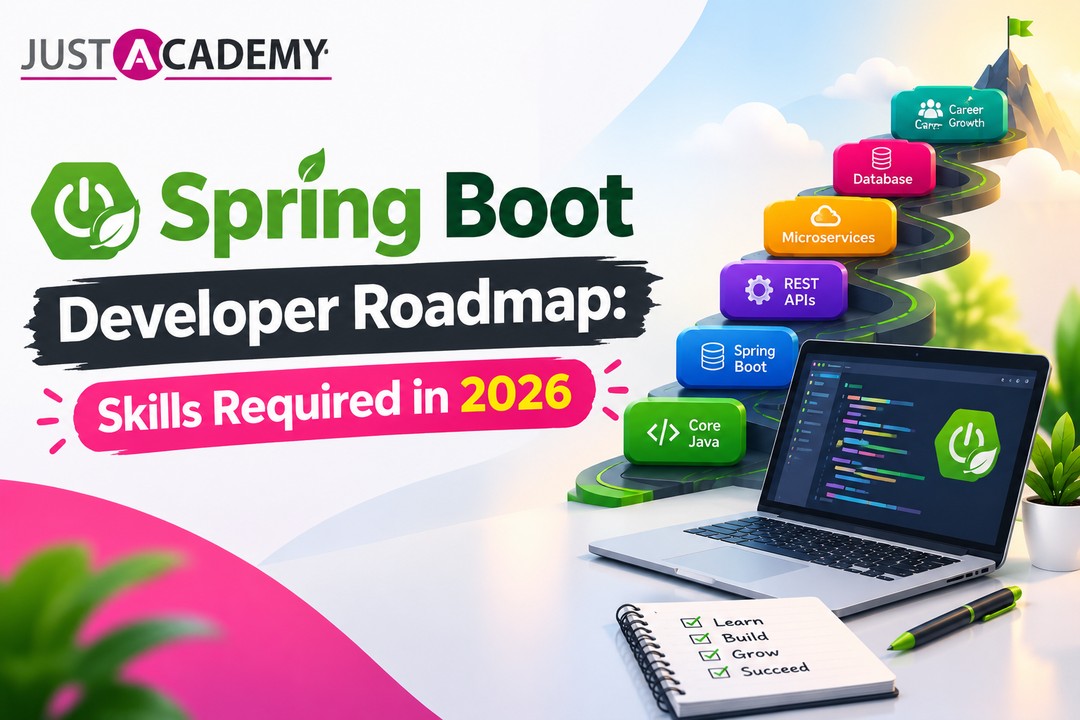
Java full stack development remains a steady choice for people who prefer structure and long careers inside larger organisations. Banks, insurance companies, telecom firms and big consulting houses in Gurugram and Noida hire Java developers constantly. A full stack developer with Java usually works with Spring Boot on the server, a framework such as Angular or React on the front end and a relational database underneath. Pay growth is gradual and dependable, and the demand for experienced people never really disappears. If you like clear architecture, strict typing and well defined processes, full stack development java is a comfortable home.
Python Full Stack And PHP Full Stack: Two Very Different Doors
Python full stack developer roles blend web development with a language that is also loved by data and automation teams. That crossover is valuable. A developer who can build a dashboard and also write the script that feeds it often becomes the person everyone relies on. Full stack development python typically pairs Django or FastAPI with a React front end, and python full stack development projects make strong portfolio pieces. If Python is where your heart is, a dedicated Python training in Delhi builds the base that every later framework sits on.
PHP full stack work, including Laravel based roles, remains common in agencies, ecommerce and small business software. The salaries for a php full stack developer start a little lower on average, but the path to freelance income is shorter, because so many businesses need websites and web applications built quickly. If you know you want to run your own small studio one day, this route has real merit.
Beyond The Job Board: Mobile Apps, Agencies And Hiring Side Realities
The Full Stack Mobile App Developer Angle
Web is not the only place where full stack skills pay. A full stack mobile app developer builds the app screens, the backend services and the database that powers them, which is a rare and well compensated combination. Companies that run delivery, health, fintech or learning apps often prefer one person who can follow a feature from the phone to the server. Frameworks such as React Native and Flutter let web developers cross into mobile without starting from scratch, and the extra versatility tends to show up directly in offers. To see what that career looks like in detail, this guide on the full stack mobile app developer path is a useful companion read.
Agencies, Freelancing And Full Stack Developer Services
Plenty of developers build careers around client work. A full stack agency or full stack development agency sells complete delivery, from design to deployment, to businesses that have no in house team. Others work solo, offering full stack developer services such as full stack website development, full stack web application development and full stack app development for small companies. Income here is less predictable than a salary, but strong freelancers in Delhi NCR routinely out earn employed peers once they have a steady stream of clients and a reputation for finishing what they start.
The honest catch is that freelancing demands skills beyond code. You must scope work, write proposals, chase payments and say no to bad projects. Many successful freelancers spend their first two or three years in a salaried job precisely to learn how real teams ship software, then branch out with confidence and a network.
What Businesses Weigh When They Say Full Stack Developer Needed
It helps to see the other side of the table. When a company posts full stack developer needed, or a founder starts to find a full stack developer for a new product, they think in terms of full stack developer cost, which includes salary, hiring effort, tools and the months it takes a new joiner to become productive. A fresher costs less but needs guidance. A senior costs more but ships faster and reduces risk. Some businesses compare that cost with hiring a full stack development services partner and decide that a mix of both works best.
Understanding this logic helps you negotiate better. You are not asking for a favour. You are offering a solution to a business problem, and the stronger your proof of ability, the more comfortable a company becomes paying you at the upper end of its range.
Negotiating Like Someone Who Knows The Market
Reading Offers Beyond The Headline Number
A salary figure on an offer letter is only the first line of a longer story. Two offers that both say ten lakhs can feel completely different once you look at the fixed and variable split, the joining bonus, the notice period buyout, insurance coverage, learning budgets and the freedom to work remotely. A smaller fixed amount with a large variable component sounds exciting until you realise the variable depends on targets that are quietly out of your control. Always ask what portion is guaranteed, how bonuses were paid out in the last two cycles and what the review calendar looks like.
Pay attention to the work itself as well. A role that places you inside a team doing serious fullstack development, with code reviews and real users, can be worth more over three years than a slightly higher offer in a team that treats you as a ticket machine. The best early career decisions weigh money and learning together, because learning is what compounds into the next salary jump.
How A Full Stack Developer Junior And A Full Stack Developer Senior Should Negotiate Differently
A full stack developer junior usually has limited leverage on price but plenty of leverage on scope. You can ask about mentorship, the technologies you will touch, the size of the team and whether there is a structured onboarding plan. Those questions signal maturity, and they often lead to better offers than simply asking for more money. If you have two offers in hand, mention it politely and honestly. Recruiters respond to real alternatives far better than to vague demands.
A full stack developer senior negotiates from a different position. You bring a track record, so the conversation shifts to impact. Come prepared with specific stories: the checkout flow that you rebuilt and which cut drop offs, the migration you led without downtime, the junior engineers you grew into confident contributors. Put numbers on outcomes wherever you can. Senior pay is rarely about years served. It is about the measurable difference you make to the business, and the clearer you can describe that difference, the stronger your position becomes.
Keeping Your Own Salary Notebook
One of the most underrated habits is keeping a private record of your career. Write down every project you finish, every problem you solve, every compliment from a colleague and every new technology you pick up. When review season arrives you will not scramble to remember what you did in March. You will open the notebook and see a clear story of growth. Pair that with a quiet habit of tracking what similar roles pay in your region, using job postings, community groups and honest conversations with peers. Over time you build an instinct for your own market value, and that instinct is worth more than any online salary calculator.
Company Types, Domains And Why Software Context Matters
Startups, Service Firms And Product Companies Compared In Real Life
Startups offer speed. You might ship to production in your second week, own a feature end to end and get exposure to full stack software development decisions that would take years to reach elsewhere. The trade off is uncertainty, since funding rounds change budgets overnight. Service firms offer breadth and stability, with training programmes and a wide variety of client projects, though individual ownership can feel thinner. Product companies sit somewhere in between, with deeper engineering cultures, higher bars at interview time and typically stronger compensation for people who clear them.
None of these is the right answer for everyone. A developer who values predictability and a steady learning curve may flourish in a service environment, while someone who gets restless without ownership may prefer a startup. The important thing is to choose consciously, and to remember that most people move between these worlds at least once. A year at a startup can make you a stronger candidate at a product company, and a few years at a service firm can give you the discipline that startups desperately need.
Domain Knowledge As A Salary Multiplier
Two developers can have identical technical skills and very different pay because one understands the domain. Someone who knows how payments settle, how insurance claims move through approvals or how logistics networks route parcels can design better systems and talk to business stakeholders without a translator. That is rare, and the market pays accordingly. If you are early in your career, pay attention to the industry you land in. Ask curious questions, read about the business and volunteer for tasks that expose you to how the company actually makes money.
The Tools And Habits Around The Code
Modern full stack developer software work is surrounded by tools that quietly shape productivity: version control, issue trackers, containerised environments, automated test runners, monitoring dashboards and cloud consoles. Developers who are comfortable with these tools are often paid more than colleagues who write equally good code but depend on others for everything around it. Spend a little time each month learning one new piece of the surrounding toolkit. It might feel slow at first, but it pays back in confidence and in speed.
It also helps to keep an eye on the wider landscape of stacks for web development, because hiring patterns shift. A few years ago, certain frameworks dominated job listings and others barely appeared. Today the mix has changed again. You do not need to chase every trend, but you should know enough about neighbouring technologies to hold an intelligent conversation, and to switch lanes when the market demands it.
A Roadmap You Can Actually Finish Without Burning Out
The Full Stack Developer Roadmap In Four Honest Phases
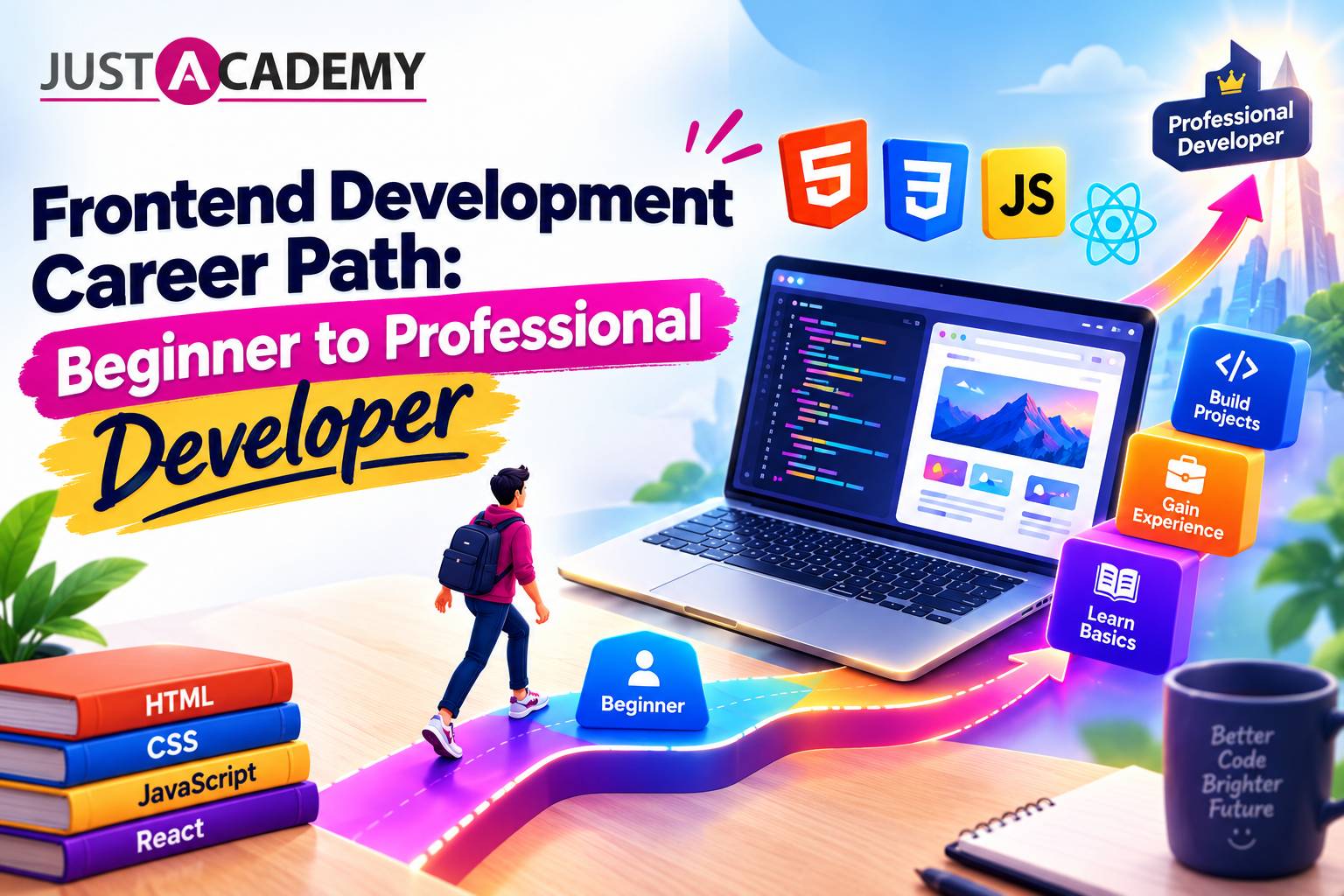
Anyone searching for a full stack developer roadmap, a road map full stack developer plan or a full stack development roadmap will find endless diagrams with a hundred boxes. Ignore the overwhelm. A roadmap for full stack developer learners works best in four phases. In the first, you learn how the web works: HTML, CSS, basic responsive design and the habit of reading documentation. In the second, you learn programming properly through JavaScript or Python, along with Git and the command line. In the third, you build the server side with APIs, databases and authentication, then pair it with a front end framework. In the fourth, you deploy, test, secure and polish a few serious projects.
Be careful about order. Plenty of beginners jump straight to frameworks and then hit a wall because the fundamentals were skipped. Modern JavaScript especially rewards a solid base, and this write up on JavaScript ES6 features every developer must know covers the language features that nearly every framework quietly assumes you understand.
Projects That Make A Recruiter Stop Scrolling
Projects are your real resume. A full stack application that solves a believable problem beats ten tutorial clones every time. Think of a booking tool for a neighbourhood clinic, an expense tracker with proper authentication, a small marketplace with payments in test mode or a job board with search and filters. Each should have a clean readme, a live link and a short explanation of what you would improve next. If you need inspiration with a job ready flavour, these MERN stack project ideas for job ready developers are a good place to start.
Resist the urge to build everything at once. One polished project with authentication, a sensible database design, error handling and deployment tells an interviewer more than five half finished experiments. Depth signals discipline, and discipline is what employers quietly hunt for.
How Long It Really Takes Without Rushing
Most dedicated beginners need somewhere between six and twelve months of consistent effort to become genuinely job ready in full stack web development. Faster is possible with strong guidance and daily practice. Slower is perfectly fine for working professionals studying in the evenings. What matters is rhythm. Ninety focused minutes every day usually beats a frantic ten hour weekend, because skills settle in through repetition and sleep. Decide on a schedule you can keep during your busiest week, not your most motivated one, and protect it.
Want to see how a live mentor led session feels before you plan your own roadmap? You can reserve a free demo class and ask your questions in real time.
Straight Answers To Questions Delhi Learners Keep Asking
How Much Does A Fresher Earn In Their First Year
Most freshers begin between three and six lakhs, with well prepared candidates reaching higher. That range depends heavily on projects, interview performance and the employer. Because the first year is mostly about learning inside a real team, focus on getting into a place with good mentors rather than chasing the single highest number. A slightly lower offer with great guidance often pays back handsomely in year two.
Is Full Stack Still Worth Learning With AI Tools Around
Yes, and arguably more than before. AI assistants are excellent at producing boilerplate, but someone still has to decide what to build, spot subtle bugs, protect user data and connect the pieces into a working product. Developers who understand the whole stack use these tools as accelerators. Developers who lean on them without understanding the output tend to ship fragile software. Learning the fundamentals properly is what lets you supervise the tools rather than be misled by them.
Does A Certificate Make You A Certified Full Stack Developer In The Eyes Of Employers
A certificate helps with screening, and it shows that you finished a structured programme, but it never replaces proof of skill. Employers care about what you can build and explain. Treat a certified full stack developer credential as the beginning of the conversation, then let your projects, your problem solving and your communication finish it. The best programmes combine credentials with live practice and honest feedback so that the paper reflects real ability.
Why Structured Training With Live Mentors Changes Your Salary Curve
Live Interactive Sessions That Feel Like A Real Team
Self study works for some people, and the internet is full of excellent free material. Where it often fails is feedback. You write code, it runs, and you have no idea whether it is clean, secure or even sensible. Live interactive sessions solve that. You ask a question while the idea is fresh, you watch someone debug in real time and you learn the small habits that never appear in written tutorials. Live interactive training also builds routine, which matters more than motivation on a tired Wednesday night.
For Delhi learners this format removes the geography problem. JustAcademy, an ISO certified training institute, teaches in classrooms in Mumbai and Pune and delivers the same curriculum through live online batches for learners across India. Many people call it the best course in Mumbai for practical tech training, and the online route gives Delhi students the same instructors, the same project focus and the same expectations without a relocation.
Instructor Led Teaching And Mentor Led Guidance Are Not The Same Thing
People often use these terms interchangeably, but they do different jobs. Instructor led sessions give you the structure: a clear syllabus, concepts explained in order and live demonstrations of how things are built. Mentor led sessions give you the personal layer: someone who looks at your project, points out what a hiring manager would notice, suggests what to build next and helps you think through career decisions. The combination is powerful. Structure keeps you from wandering. Mentoring keeps you from getting stuck in silence, which is where most self taught learners quietly give up.
Placement Support And The Pay After Placement Full Stack Developer Question
Learning to code is half the journey. The other half is getting seen. Good placement support covers resume writing, portfolio reviews, mock interviews, introductions to hiring partners and guidance on negotiating offers. It will not guarantee a job, and anyone who promises one deserves suspicion, but it shortens the distance between being capable and being hired. When comparing any pay after placement full stack developer arrangement or any traditional fee structure, ask for clarity on what support is actually delivered, how often and by whom.
JustAcademy positions itself as a trusted, ISO certified training institute in India, and its approach pairs live interactive sessions, instructor led teaching, mentor led reviews and placement support under one roof, with both Mumbai classroom training and global online options. The easiest way to judge whether that style suits you is to attend a session, ask difficult questions and see how the mentors respond.
A Few Habits Worth Carrying Into Every Salary Conversation
Stay Curious Longer Than Feels Necessary
The developers who earn the most over a decade are rarely the ones who learned the fastest in year one. They are the ones who stayed curious in year seven, when it would have been easy to coast. They read release notes, try small side experiments and ask colleagues from other teams how their systems work. That habit quietly widens your range, and range is exactly what employers pay for when they promote someone from builder to decision maker.
Build A Network Before You Need It
Many of the best offers never reach a public job board. They travel through referrals, meetups, community groups and old colleagues who remember how you handled a stressful release. Attend a local developer meetup in Delhi or Gurugram once a month, answer questions online when you can and keep in touch with batchmates and mentors. When the time comes to move, a warm introduction will open doors that a cold application cannot, and it often comes with a stronger starting offer because someone has already vouched for you.
Be Patient With The Compounding Years
Salary growth in software is rarely a straight line. There are flat years where you are mostly deepening skills, followed by sudden jumps when a new role, a new stack or a new responsibility lines up. If you are in a flat stretch right now, resist the urge to compare yourself with the loudest voice on social media. Keep building, keep documenting your wins and keep your fundamentals sharp. The market has a way of rewarding people who stay ready.
Conclusion
The full stack developer salary story in India is not a single number but a ladder. Freshers usually step on at the bottom rungs, between three and six lakhs, with sharper candidates starting higher. A few years of ownership and deeper skills lift pay into the teens. Senior engineers who combine technical judgment with communication reach the twenties and thirties, and a rare few climb well beyond. Along the way, your stack choice, your projects, your city and your willingness to keep learning shape how quickly you move.
If you live in Delhi NCR, the opportunity is wide open, because modern training reaches you wherever you sit. Pick a stack that suits your temperament, build a few honest projects, find mentors who will tell you the truth and keep a rhythm you can sustain. When you are ready to take the next step, book your seat in a live class and see the teaching style for yourself.
What Delhi learners and working developers can realistically earn at every stage, and the skills, stack choices and mentor led training that move the number
From your first notes app to a multi tenant SaaS build, here are the MERN stack projects Delhi learners can build with live interactive guidance and show with pride on a resume.
A practical, human guide for Delhi freshers and working professionals who want to walk into every technical, design and HR round with real confidence, backed by live interactive, instructor led and mentor led sessions.
A practical, honest guide to frontend developer skills, the roadmap that actually works, and how live instructor led and mentor led training can get you hired
A practical, no fluff guide to the front end developer skills Delhi employers test for, and how mentor led, live interactive training helps you build them.
A practical, example driven guide to ES6 JavaScript for learners in Delhi who want to write modern code, think like a developer and get job ready with live instructor led and mentor led training
From your first Angular app to real time dashboards, here is a practical, mentor backed list of angular projects for practice, with source code thinking, live interactive sessions and placement support.